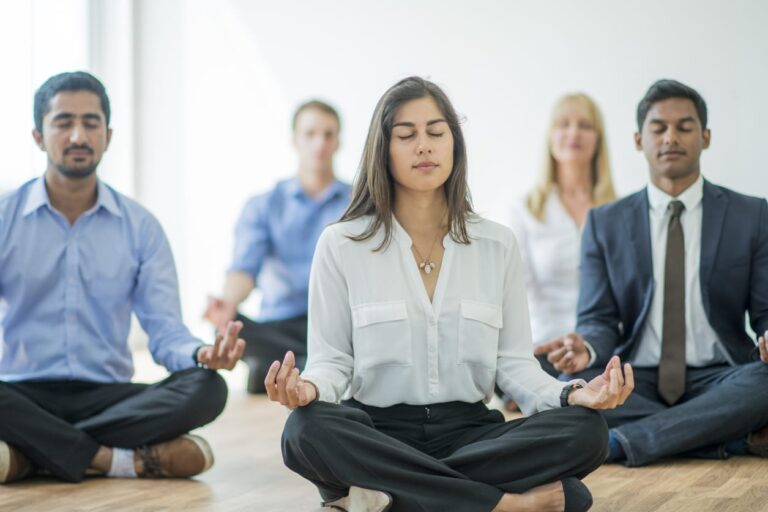
In today’s fast-paced society, high stress levels are common among many people. From managing work obligations to personal commitments, stress can affect our mental health. Being overwhelmed, disorganized, or stressed makes it difficult to focus and make the right decisions or even enjoy your daily life. This is why developing simple routines to reduce anxiety and calm your head is more essential than ever. Small changes won’t need radical changes in your life, but they could make a huge difference when they are practiced regularly. Stress reduction and mental clarity aren’t about doing more, but rather they’re about doing things differently with a sense of mindfulness and purpose.
Starting the Day with a Calm Morning Routine
What you do to start your day can set the tone for all that comes after. Making sure you have a peaceful and consistent morning routine can help your mind move smoothly from sleep to action. If you wake up 15 minutes earlier than you normally would, it will help you begin your day without stressing. Sipping a glass of water or taking a few slow breaths, and taking some time in contemplation or silence can be an effortless start to the day. This quiet time in the morning helps to organize your thoughts, focus your mind, relax, and start your day with a calmer, focused mind. Not using screens in the early hours of the morning allows your brain to wake naturally, without excessive stimulation.
Practicing Gratitude to Shift Perspective
Being grateful for things can ease anxiety and clear your thinking. The act of gratitude shifts your focus from what’s wrong or lacking to the positive things that are already functioning within your life. This simple shift in perspective can improve your mood, ease anxiety, and help you develop a positive mental attitude. A daily gratitude journal in which you record three things you’re grateful for will help you build this habit. As time passes, you’ll begin to notice more good things happening surrounding you, even on difficult days. The regular practice helps train your mind to search for peace and happiness instead of dwelling on issues.
Moving Your Body to Release Tension
The physical movement, even the light movement, plays a vital part in relieving stress and mental relaxation. Exercise can trigger endorphins. They are the brain’s natural chemicals that make you feel good and that help to reduce the effects of anxiety and stress. You don’t have to do a lengthy exercise session to reap the positive effects. A quick walk, easy stretching, or even just a few minutes of dancing will quickly boost your energy. Moving your body increases blood flow and increases the oxygen flow into your brain. It also offers the mental space needed to escape from whatever causes stress. Engaging in regular exercise will benefit not only your physical health but also your mental and emotional health.
Taking Breaks to Prevent Mental Overload
Continuous activity can easily trap you, particularly when you’re under stress. However, working or thinking with no breaks eventually leads to mental fatigue. Making short, frequent breaks throughout the day can help your brain relax and recharge. A five-minute break from your computer or workstation will help you focus better and lessen tension. Make use of this time to get out and take a breath, stretch, or just relax. These small breaks give your brain an opportunity to reset before returning to your tasks with greater clarity. In time, incorporating breaks into your schedule improves productivity and also makes you feel more relaxed and less stressed.
Finishing the Day with a Calming Night Routine
Like a serene morning sets the mood for your day, a calm routine for the evening helps you wind down and prepare for a restful sleep. Refraining from intense work or activities before bed allows your brain to relax and settle into a more relaxed state. The dimming of the lights or limiting your screen time and engaging in relaxing activities such as journaling, reading, or gentle stretching signals to your body that it’s time to relax. An established routine for your night can help regulate your sleep patterns, and a good night’s sleep is crucial to reducing anxiety and maintaining mental clarity. If your body and mind are at peace, you’ll be more prepared to face the challenges ahead with focus and calm.
Focusing on One Thing at a Time
Multitasking might seem beneficial; however, it can lead to split concentration and mental exhaustion. Multitasking strains your brain, making it more challenging to complete tasks efficiently and effectively. Instead of trying to handle multiple tasks at once, try to focus on just one thing at a given time that you are fully focused on. Be it eating your meal or writing an email or chatting with a friend who is present, paying attention to the quality of your work helps reduce stress. Focusing on one thing at a time helps you stay focused, avoids anxiety, and allows you to navigate your day more easily. When you make the practice a habit, it will result in more focused as well as pleasant moments throughout the day.
Conclusion
The reduction of stress and the improvement of mental clarity don’t require major changes in your lifestyle. It’s the simple routines that are consistently followed that make the most impact. Start your day with a calm attitude and incorporate mindful breathing into your day and movement into your day regularly, taking breaks on a regular basis while staying hydrated, as well as setting limits by using technology. You create an environment that allows your mind and body to flourish. Everyday actions can allow for peace, concentration, focus, and resiliency even in a chaotic and adrift world. It is important to take time for these little moments of relaxation, which are not just good for your mental health but also enhance how you live your day. If you keep these practices, they can be the basis for an enlightened, calm, and healthy you.
FAQs
1. What are the reasons that daily routines are essential to lessen stress?
Since consistent habits build stability, it helps you control your emotional reactions and helps train your mind and body to remain calm and composed under stress.
2. Are small changes able to have an impact on cognitive clarity?
Absolutely, even small changes such as deep breathing or taking a few short breaks can increase focus, mood, and overall mental performance.
3. How long will it take for these behaviors to produce the results?
Certain practices provide immediate relief, while others take a few weeks of practice to see lasting results.
4. What happens if I don’t have a lot of time in my day?
The majority of these routines require only a few minutes to complete and can be included in your daily routine without any additional effort.
5. These habits can help reduce stress and burnout?
Yes, routines like mindfulness, exercise, and sleeping can ease stress and reduce exhaustion by helping to maintain both physical and mental well-being.