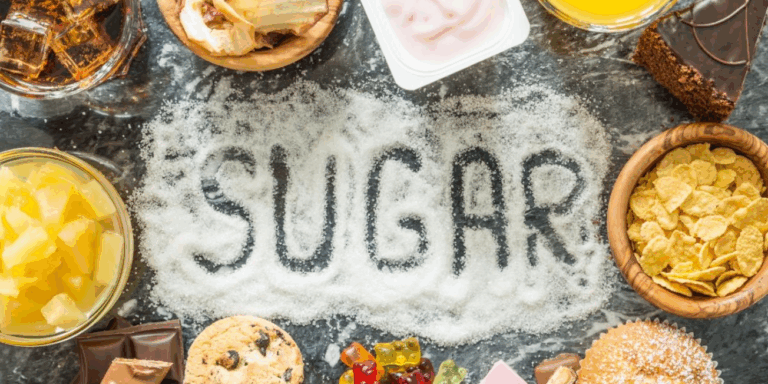
People think that eating snacks and losing weight are both bad for you. They’re both wrong. When you pick the right food items, snacks can boost your metabolism, curb your appetite, and assist you to lose weight faster than diets on their own. The trick is to choose snacks that include proteins, fiber, and healthy fats in a way that keeps portions to a reasonable size. These foods that are nutrient dense work with the body’s natural processes to ward off cravings, maintain blood sugar levels, and help prevent the overeating that can sabotage the weight loss process. We’ll look at how strategically snacking can be your weapon of choice to achieve your goals.
The Role of Snacks in Weight Loss
Smart snacking can be an effective tool to manage weight by ensuring that your metabolism is active through the entire day. If you consume small, healthy snacks during meals, you can maintain the same level of energy and avoid crashes in blood sugar that can lead to poor eating choices. This method helps to stay clear of the feast-or-famine cycle, which reduces metabolism and increases the storage of fat. Studies show that individuals who consume healthy foods are more likely to maintain their weight loss over an extended period compared to those who drastically limit their calorie intake. It is important to choose foods that satisfy your appetite while providing the nutrients that help your body be at its best. The food you choose should have the right balance of macronutrients to aid in satiation and help your metabolism, not work against it.
Nuts and Seeds
Nuts and seeds make up a portion of the best-balanced and healthy snacks to aid in weight loss. Despite having a higher amount of calories, they are packed with nutrients like protein, healthy fats, and fiber, which combine to keep you full for long periods of time. Almonds, walnuts, and pistachios are especially effective since they require energy to digest, resulting in a thermogenic effect that helps to burn calories. The healthy fats found in nuts aid in the absorption of fat-soluble vitamins, and the protein helps maintain muscle when you lose weight. Flax, chia, and pumpkin seeds provide similar benefits, with the added benefit that they contain omega-3 fatty acids, which lower inflammation and help support healthy metabolism. A tiny amount of mixed seeds or nuts provides an energy boost that lasts for a long time without the blood sugar spikes that are common with processed foods. It’s all about portion control. Limit your intake to around an ounce or 23 almonds to reap the most benefit without consuming too many calories.
Fruits and Vegetables
Fresh vegetables and fruits are the ultimate weight-loss snacks that provide the most nutritional value with only a few calories. They are naturally rich in fiber and water; that means they provide you with vital vitamins, minerals, and antioxidants that your body needs. Apples that have their skin intact contain pectin, which is a kind of fiber that helps to feel fullness and regulates blood sugar. The power of berries is that they’re low in sugar compared to other fruits and are loaded with antioxidants that help fight inflammation and maintain a healthy metabolism. Fruits and vegetables such as celery, carrots, and bell peppers give an enjoyable crunch that is virtually free of calories, making them ideal to snack on while you’re bored. Chewing raw vegetables also helps burn calories and reduce stress-related eating. Combining vegetables and fruits with a small amount of calories or protein-rich fats, such as apples with almond butter or veggies with hummus, can create a more satisfying snack that helps stave off hunger pangs for longer.
Greek Yogurt
Greek yogurt is an effective and efficient weight-loss food that you can find, due to its high protein content and its versatility. With nearly double the amount of protein as normal yogurt, Greek yogurt aids in building and maintaining lean muscle mass and keeps you full during meals. The protein content is high and results in a significant thermic effect, which means your body burns off more calories while digesting it as compared to carbohydrate-rich foods. Select plain, unsweetened yogurts to avoid sugars added in the form of syrups, which can hinder weight loss. The probiotics present in Greek yogurt help to maintain digestive health and can even aid in regulating metabolism through promoting an optimal microbiome in the gut. You can increase the effects of weight reduction by including foods high in fiber, such as nuts, berries, or seeds, which provide extra nutrients and assist in slowing digestion. Greek yogurt is a versatile ingredient for savory snacks when mixed with spices and herbs.
Transform Your Snacking Strategy
The best way to achieve weight loss doesn’t mean removing foods; it’s about choosing the right ones. When you incorporate nuts and seeds, fruits, vegetables, and Greek yogurt into your routine, you can create a healthy eating routine that boosts your metabolism while satisfying your appetite. Keep in mind that timing is also important when eating these healthy snacks. Eat them when you are truly hungry and not because of boredom or out of habit. Be mindful of your portions and focus on eating slowly so that your brain has the time to process the sensation of fullness. The mix of fiber, protein, and healthy fats found in these food items will make you be satisfied and help you reach your weight reduction goals. Begin by replacing one processed snack a day with these healthy choices, slowly increasing the number of calories. Your body will benefit from increased energy, improved appetite control, and steady progress towards your weight goals.
FAQs
1. What number of meals should I have every day to help lose weight?
A majority of people are able to benefit from 1-2 healthy meals a day, according to their eating habits and their hunger levels. Be aware of your body’s signals and eat only when you’re truly hungry instead of following strict schedules.
2. What’s the most optimal time to eat your snacks to lose weight?
The most beneficial times are usually the mid-morning hours and mid-afternoon, when your energy levels are naturally low. Don’t eat too late in the evening unless you’re really hungry, since this could hinder sleep and slow metabolism.
3. How can I tell if I’m eating appropriate portions?
For seeds and nuts, limit yourself to 1 ounce or a tiny handful. For vegetables and fruits it’s possible to take more since they’re low in calories. Greek yogurt portion sizes should range from 6 to 8 ounces.
4. Do I have to consume these snacks if I am diabetic?
They are typically excellent choices for people suffering from diabetes since they can help stabilize blood sugar levels. Always consult your doctor regarding the most suitable diet plan that meets your requirements.
5. Does eating more often affect the rate of my metabolic process?
Maintaining an even metabolism through healthy snacks ensures your body receives the necessary fuel for the day. The trick is to select nutrient-dense choices over processed or refined foods.