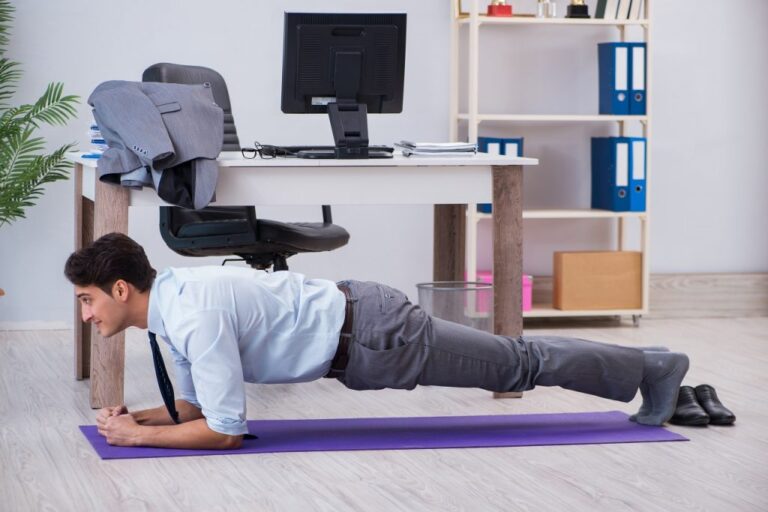
Recovery is an important, yet often overlooked, part of the daily exercise routine for people who exercise. While it’s great to challenge yourself during your workout, the real boost comes when your body relaxes and recovers. Your body doesn’t get stronger during a workout; it gets stronger in the hours and days afterward. Muscles regenerate, and your energy levels reset. Even the best workout routine can leave you feeling drained, stiff, and ultimately exhausted if you don’t give your body enough time to recover. For people who exercise daily, learning to prioritize recovery can make a huge difference in your workout and health.
How Sleep Helps You Get Back in Shape
Getting enough sleep is one of the best ways to recover, and it doesn’t cost anything. During sleep, your body enters a deep state of repair. Your body produces growth hormones, rebuilds tissue, and replenishes energy. Lack of sleep slows down this natural recovery process, making exercise more difficult, increasing your risk of injury, and slowing muscle recovery. Get at least seven to nine hours of quality sleep every night. Developing a regular sleep routine, avoiding electronics before bed, and following a regular sleep schedule can help you sleep better and recover faster.
How Hydration Affects Recovery
Water is essential to almost everything your body does, especially during recovery. When you exercise, you sweat and lose fluids. You need to replenish this water to keep your body functioning optimally. Drinking enough water helps your muscles repair, flush out toxins, and keep your joints lubricated. Even mild dehydration can lead to fatigue, cramping, and longer recovery times. Make sure you drink throughout the day, not just during exercise. If you exercise for a long time or intensely, you can add electrolytes to your hydration strategy to keep your body in balance.
Refueling After Exercise
Nutrition is another important part of recovery. After a workout, your body needs carbohydrates for energy and protein to rebuild muscle tissue. Eating a healthy meal or snack within 30 to 60 minutes of a workout can help boost your recovery. Lean meats, eggs, yogurt, fruits, vegetables, and whole grains are all nutritious foods. Don’t skip meals, as such actions can slow muscle recovery and leave you feeling tired. People who exercise daily also need to make sure they’re eating enough to maintain their activity level, especially if they’re training at a high intensity without long rest periods.
How to Add Active Recovery to Your Daily Life
Active recovery is a fantastic way to stay active while giving your body a break from intense exercise. You don’t have to rest all day; instead, you can do some low-intensity activities like walking, light cycling, moderate-intensity yoga, or swimming. These exercises can stimulate blood flow without excessively straining your muscles. For people who exercise daily, active recovery can help relieve discomfort, loosen stiff joints, and keep your body moving without overexerting yourself. It also gives your mind a break from intense exercise while helping you achieve your fitness goals in a rehabilitative way.
Pay Attention to Your Body and Avoid Overtraining
When it comes to fitness, it’s natural to think “more is better,” but too much activity without rest can lead to overtraining. If you’re always worn out, have trouble sleeping, are unproductive, have mood swings, or get injured often, these are all signs that your body needs more rest. One of the best ways to recover is to pay attention to how you feel every day. If you’re feeling stiffer, more tired, or more mentally drained than usual, you may need to take a day off or cut back on your workouts. Recovery isn’t a setback; it’s an important step toward growth and improvement.
Find a Balance Between Training and Rest Days
Even the most dedicated gym-goer needs a break. Rest days give your body time to fully recover and prevent physical and mental burnout. If you work out every day, taking a break may seem strange, but it’s actually when your body gets stronger. A successful fitness plan requires both work and rest. If you work out regularly, you may need to take one or two days off each week. Take it easy on these days; sleep in or take a leisurely walk. Your body will thank you, and you will feel better and more energetic when you return to exercise.
Staying Consistent with Your Recovery Plan
When the pain is unbearable, recovery shouldn’t be the only thing you focus on. You should pay just as much attention to recovery as you do to your daily workout routine. You can develop a habit that will contribute to your long-term health and fitness by doing simple recovery exercises every day, such as stretching, drinking enough water, getting enough sleep, and eating healthy. Persistence will help keep your body strong and reduce your risk of injury. Don’t skip recovery, just as you wouldn’t skip your workouts. Over time, these habits will become ingrained in you, laying the groundwork for a long-term, healthy athletic lifestyle.
Conclusion
It’s not just professional athletes who need to recover every day; everyone who trains regularly does. Your body needs time, rest, and proper care to stay strong and recover. You can ensure that your workouts are productive and your body healthy by paying equal attention to sleep, hydration, nutrition, stretching, and active rest. You don’t have to cut back on your workouts to recover; you just do what you need to do to keep going. For those who exercise every day, recovery means listening to your body and giving it the nutrients it needs to stay strong, healthy, and energetic for the long term. Integrate recovery periods into your workout routine, and you’ll feel the benefits in everything you do.
FAQs
1. Why is recovery so important for exercisers?
Recovery gives your muscles and tissues time to repair themselves, reduces your risk of injury, and keeps you energized and motivated for your next activity.
2. How much sleep do I need to feel better?
To promote recovery and improve physical performance, most adults need 7 to 9 hours of quality sleep each night.
3. What should I eat after a workout to make me feel better?
Eating both protein and carbohydrates within 30 to 60 minutes after a workout helps muscles repair themselves and gives you more energy.
4. Is it okay to exercise every day without a break?
It’s okay to be active every day, but you should also schedule days without training or light activity to avoid overtraining and give your body time to recover.
5. How do I know if I’m not getting better?
If you’re still sore, worn out, having trouble sleeping, performing worse, or feeling more irritable or stressed, you’re probably not recovering properly.