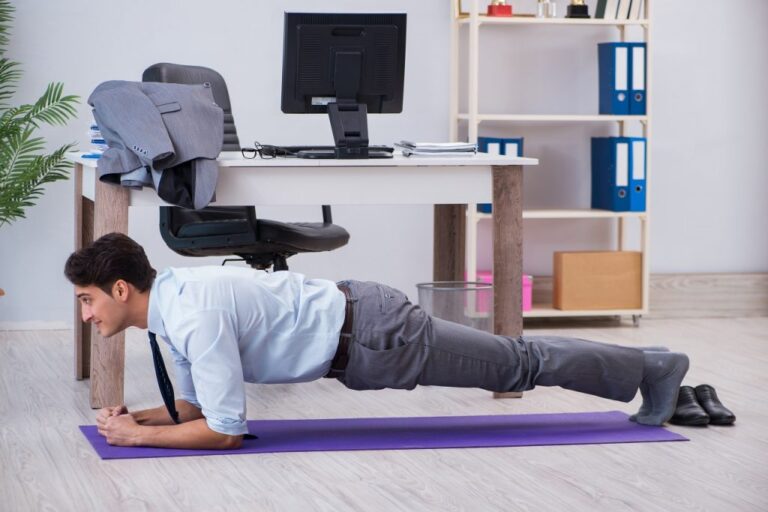
Starting an exercise program can be daunting, especially when you’re just starting out. There’s so much advice out there that it can be hard to know where to start. The most important thing about fitness isn’t choosing the best program or the most expensive gym membership; it’s sticking with it. A daily exercise routine can help you develop positive habits that will gradually make you stronger, more flexible, and more resilient. Whatever your goal is—losing weight, getting in better shape, or just feeling better—the most important thing is to take the first step.
The Right Mindset for Success
Before you start exercising, it’s crucial to have the right mindset. Fitness isn’t about perfection; it’s about continuous improvement. Don’t expect instant results. Make sure you stick with it and do your best every day. Don’t compare your fitness journey to others, but focus on how your body responds. When your enthusiasm wanes, self-discipline and habits will keep you going. A positive mindset will go a long way toward helping you on your path to a healthier life.
Choose the Best Time to Exercise
Finding the best time to exercise is one of the easiest ways to stick to a fitness program. Some prefer morning workouts for energy, while others prefer evening workouts. There is no definitive right or wrong time to exercise; simply choose a time that suits you best and remain consistent with it. Exercise every day, and it will come as naturally as brushing your teeth or eating.
Start with Light Aerobics
If you are new to exercise, start your workout program with easy, enjoyable exercises. Aerobics are a wonderful way to prepare your body for exercise and improve your heart health. You don’t need a gym membership or expensive exercise equipment to start exercising. Walking around the neighborhood, dancing to your favorite music, or running in place at home are all excellent ways to get your heart rate up. Just 10 to 15 minutes of light aerobics a day will build your endurance and get your body used to exercise.
What is simple strength training?
Once you’re comfortable with light aerobics, it’s time to add some basic strength training. These exercises can help you build muscle, stand up straighter, and speed up your metabolism. You can start with bodyweight exercises like squats, lunges, wall push-ups, and planks. Instead of counting how many times you do them, focus on doing them right. Quantity is always more important than quality. As your strength and confidence grow, you can gradually increase the difficulty or use light dumbbells or resistance bands.
Increase Stretching and Flexibility
Flexibility isn’t included in many workouts, but it’s an important part of staying healthy. Stretching can help you prevent injuries, relieve muscle soreness, and increase your range of motion. Take a few minutes after each workout to stretch your major muscle groups. You can watch an online video or just focus on the parts of your body that feel tight. Yoga is another great way to relax, improve your health, and increase your flexibility. A few minutes of stretching each day will benefit you in the long run.
Drink Plenty of Water and Eat Healthy
Exercise and a healthy diet go hand in hand. Drinking enough water throughout the day helps your body function efficiently and speeds up muscle recovery. Drink plenty of water before, during, and after a workout. A healthy diet with plenty of fruits, vegetables, whole grains, and lean proteins will provide you with the energy and nutrients you need to reach your workout goals. You don’t have to follow a strict diet. Just make smart choices and choose the type of exercise that is beneficial for your body and helps you stay active every day.
Make Fitness a Part of Your Life, Not a Requirement
For many people just starting out, getting healthy is a goal that eventually becomes a lifestyle. Exercise is no longer necessary if you find something you love to do every day. You’ll start to look forward to it, whether it’s taking a morning walk, stretching during lunch, or dancing in your living room. Be open to new experiences, be patient with yourself, and persevere. Regular exercise will become a habit over time, and your body and mind will reap the benefits.
Conclusion
Starting a daily exercise program as a beginner doesn’t have to be hard or scary. It starts with small steps, effort, and the dedication to stick with it every day. By developing good habits, paying attention to your body, and finding joy in your activities, you can build a solid foundation for long-term health. Remember: everyone starts somewhere, and your journey is your own. Be kind to yourself, keep it simple, and enjoy every step.
FAQs
1. How long should I exercise every day as a beginner?
If you’re just starting out, 20 to 30 minutes of exercise a day is a beneficial place to start. Even 10 minutes of exercise can help if you do it regularly.
2. Do I have to go to the gym to get fit?
No, you can start at home with bodyweight training and some simple aerobic exercises like walking, dancing, or climbing stairs.
3. What if I miss a day?
It’s okay to miss a day. The next day, you can just get back on track without feeling guilty. Consistency over time is more important than perfection.
4. When will I start to see changes?
After a few weeks, most people will notice subtle changes, such as more energy or better sleep. It may take longer for the body to change, but if you persevere, it will happen.
5. Should I rest or exercise every day?
You can be active daily, but you must schedule rest days to recover. To avoid injury or burnout, you need to find a balance.